Introduction
We are pleased to present the annual report of the Yemen Relief and Reconstruction Foundation for 2024. Yemen continues to face the world’s worst humanitarian crisis, with 80% of the population requiring some form of humanitarian assistance. A combination of conflict, economic collapse, and the ongoing disruption of institutions and public services has pushed millions to the brink of famine. This report highlights how the Yemen Relief and Reconstruction Foundation has been at the forefront of lifesaving interventions, leading efforts to reduce catastrophic food insecurity. We remain committed to maximizing efficiency by prioritizing direct implementation and integrating responses in the most affected areas.
The Humanitarian Crises in Yemen
Yemen continues to endure one of the worst humanitarian crises globally. Nearly a decade of conflict has devastated infrastructure, displaced millions, and left more than 80% of the population reliant on humanitarian aid for survival. Food insecurity is a daily reality, with famine conditions threatening millions. The economy is in a state of perpetual collapse: wages are scarce, prices are rising, and basic necessities are increasingly unaffordable for most families. The healthcare sector is on the verge of collapse, with widespread shortages of medicine, overwhelmed hospitals, and limited resources to treat the sick and injured. Natural disasters, such as devastating floods, have exacerbated the crisis, destroying homes and livelihoods, and worsening the suffering of already vulnerable communities.
Summary of Yemen’s Humanitarian Crisis
- 80% of the population depends on humanitarian aid.
- 5 million children under five suffer from acute malnutrition.
- 20 million people are food insecure
- 50% of the healthcare facilities are nonfunctional.
- 14.5 million Yemenis lack access to safe drinking water and sanitation.
- 4 million people at internally displaced.
YRRF’s 2024 Relief Efforts
Food Security and Livelihood Support
- Provided Ramadan food aid to 3,500 families, benefiting 21,000 individuals.
- Distributed Eid al-Adha meat shares to 3,863 families, benefiting 30,904 individuals.
- Supported 210 families with 450 sheep/goats, 540 chickens, and 60 roosters, benefiting 1,470 individuals.
- Delivered emergency food baskets to 10,000 individuals affected by floods.
Health and Nutrition
- Treated 456 children for acute malnutrition in Lahij, achieving a 100% recovery rate.
- Supported the Al-Buraiqa health center in Aden for six months, improving nutrition outcomes for 240 children suffering from acute malnutrition.
- Provided monthly malnutrition treatments, saving the lives of 2,000 children across several governorates.
- Trained 16 midwives, expanding access to maternal and child healthcare.
- Provided medical equipment and supplies to hospitals experiencing shortages.
Water, Sanitation, and Hygiene (WASH)
- Distributed 2,130 water filters and 4,260 containers, benefiting 20,000 individuals.
- Completed a water well project in Al-Luhayyah, Al Hudaydah, ensuring a stable water source for 10,000 individuals.
- Installed solar-powered water pumping systems.
- Built a 10 km water distribution network and 150,000-liter water storage tanks.
- Trained 50 community members in water system operation and maintenance.
- Reduced the daily burden of water collection, especially for women and children.
- Provided water transportation services for displaced families.
- Installed 111 solar water heaters, benefiting 999 individuals.
Education and Orphan Support
- Distributed school supplies to 4,814 students across various governorates.
- Provided monthly financial assistance to 374 orphaned children, ensuring food, shelter, healthcare, and education
Winter Assistance
- Distributed 4,500 blankets and 4,600 winter jackets to vulnerable families, protecting them from harsh winter conditions.
Advocacy and Political Awareness
- Opposed military interventions in Yemen and supported a joint congressional letter against U.S. and British bombing campaigns.
- Expressed solidarity with Gaza, advocating for increased humanitarian aid.
Priorities for 2025
- Sustained focus on food security, healthcare, access to clean water, education, and economic empowerment.
- Strengthening advocacy for sustainable peace and humanitarian relief.
2024 Achievements Overview
- 18 projects implemented.
- 131,078 beneficiaries across 16 governorates.
- Thousands of lives improved through critical aid and sustainable programs.
YRRF remains committed to providing lifesaving assistance and advocating for the rights and dignity of Yemen’s most vulnerable populations. Together, we can continue making a difference in 2025 and beyond.
YRRF’s Achievements in 2024
Health and Nutrition


The ongoing conflict has caused the collapse of Yemen’s healthcare system, making medical care nearly inaccessible for millions. Malnutrition remains a severe crisis, particularly among children, leading to stunted growth and an increased risk of life-threatening diseases. Women and infants face equally dire conditions due to a shortage of healthcare professionals and inadequate maternal healthcare services. Tackling these urgent health challenges remains a top priority for the Yemen Relief and Reconstruction Foundation.
Achievements of the Health and Nutrition Program in 2024
- The acute malnutrition project in Lahij treated 456 children, achieving a 100% success rate in follow-up assessments.
- The health center in Al-Buraiqa, Aden, received six months of support, improving nutrition outcomes for 240 children suffering from acute malnutrition.
- Monthly malnutrition treatments provided lifesaving nutrition to 2,000 children across various governorates.
- To expand access to maternal healthcare in underserved areas, 16 students completed a three-year midwifery diploma program. In a country with one of the highest maternal and infant mortality rates globally, these newly trained midwives now provide essential care to pregnant women and newborns.
- Medical aid was provided to hospitals facing equipment shortages, ensuring access to necessary medical supplies and devices.
Food Security and Livelihood


Twenty million people in Yemen face food insecurity, meaning they lack consistent access to sufficient food. Among them, 9.6 million—nearly one in four—experience severe food insecurity and depend entirely on external aid. To address the root causes of hunger and poverty, the Food Security and Livelihood Support project was established as an emergency response initiative.
The program focuses on assisting the most vulnerable and food-insecure families and communities by ensuring access to essential food supplies while helping them build the necessary assets and infrastructure for long-term self-reliance and resilience against ongoing and future crises.
Achievements of the Food Security and Livelihood Program in 2024
- Provided Ramadan food aid to 3,500 families with essential supplies, benefiting 21,000 people.
- Distributed Eid al-Adha meat shares to 2,342 families, benefiting over 14,000 people.
- Supported livelihood initiatives for 210 families with 450 sheep/goats, 540 chickens, and 60 roosters, enabling 1,470 individuals to achieve self-sufficiency.
- Emergency food baskets reached over 10,000 people affected by floods.
Clean Water and Sanitation
Access to clean water and adequate sanitation is becoming increasingly scarce in Yemen, placing millions at risk of waterborne diseases. Years of conflict have devastated infrastructure, while displacement has forced many families to depend on unsafe water sources. Natural disasters, such as floods, further contaminate these sources, heightening the risk of disease outbreaks. Providing safe drinking water and sanitation remains a fundamental priority in our efforts to protect public health and improve living conditions.
Achievements of the Clean Water and Sanitation Program in 2024
- In flood-affected areas, we distributed 2,130 water filters and 4,260 barrels, providing approximately 20,000 people with access to clean drinking water. For many, this access meant the difference between staying healthy and suffering from the devastating effects of waterborne diseases.
- Water Wells and Transportation: To improve access to safe drinking water in Al-Luhayyah, Al-Hudaydah, we successfully implemented a project benefiting 10,000 people. The initiative included drilling multiple wells, installing solar-powered pumping systems, and constructing a 10-kilometer water distribution network. Additionally, 150,000-liter water storage tanks were built, reducing reliance on unsafe water sources and helping to prevent the spread of waterborne diseases. To ensure long-term sustainability, 50 community members were trained in system operation and maintenance. By reducing the daily burden of water collection, particularly for women and children, and increasing hygiene awareness, this project has significantly improved living conditions, public health, and community resilience.Solar Water Heaters: With ongoing electricity and fuel shortages making daily life increasingly difficult,
- We installed 111 solar water heaters, benefiting 999 individuals in Sana’a. These sustainable energy solutions provided households with warm water, making essential daily tasks such as cooking and hygiene more manageable.
Education
Yemen is experiencing a severe education crisis, with up to 6 million children facing disruptions in their education, leading to long-term consequences for their future.Since the conflict began in March 2015, attacks on schoolchildren, teachers, and educational infrastructure have had a devastating impact on the country’s education system, limiting opportunities for millions of children to receive an education.
The ongoing conflict, combined with the continuous disruption of the educational process and the fragmentation of an already near-collapsed education system, has significantly affected the learning, cognitive and emotional development, and mental health of 10.6 million school-aged children in Yemen. At least one in four schools (2,916 schools) have been destroyed, disrupting the education of approximately 5.8 million students, including 2.5 million girls.
Achievements of the Education Program in 2024
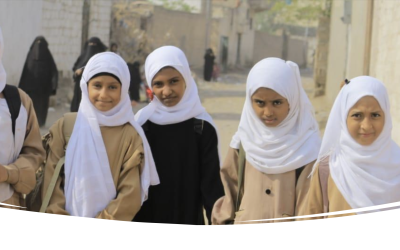
- The Yemen Relief and Reconstruction Foundation’s educational program in 2024 focused on ensuring children could continue their education, providing support for both boys and girls.
- We distributed 4,814 school bags filled with essential supplies across several governorates. For many students, these basic materials make the difference between attending school and falling behind. In times of conflict and economic hardship, having the right tools for learning is a small yet powerful step toward a brighter future.
Economic Empowerment
The war has led to a nearly 50% contraction in Yemen’s economy, resulting in massive losses estimated at $126 billion. Unemployment has risen to over 35%, while poverty has expanded to approximately 78% of the population, affecting 30 million people.
As Yemen endures the world’s worst humanitarian crisis and faces unprecedented economic challenges, its labor market and employment sectors have become increasingly fragile. Many Yemeni workers have lost their jobs and salaries, forcing them to endure harsh and difficult living conditions. In such circumstances, implementing targeted programs to mitigate unemployment and create new job opportunities is essential in restoring hope for a large segment of those affected by the conflict.
Economic empowerment remains one of the fundamental pillars of humanitarian assistance. To address this crisis, targeted and diverse projects are being implemented, providing vulnerable groups with opportunities to establish their own businesses and achieve self-sufficiency.
Achievements of the Economic Empowerment Program in 2024
- The project aims to enhance livelihoods by promoting self-sufficiency. The Yemen Relief and Reconstruction Foundation supported 697 families with 1,563 sheep/goats and 1,850 laying hens and roosters, benefiting 5,576 individuals and helping them achieve economic independence.
- Additionally, 120 pastry-making machines and equipment were provided to housewives, empowering them with the tools to generate income and sustain their households.
Winter Clothing
As part of its ongoing efforts to alleviate the suffering of displaced families, the Yemen Relief and Reconstruction Foundation implemented the Winter Clothing Project, which included distributing blankets to vulnerable families in displacement camps. This initiative was a significant step toward easing the hardships of those facing extreme winter conditions, providing warmth and improving the living conditions of families lacking even the most basic necessities for a dignified life.
This urgent intervention is one of the many humanitarian efforts through which the Foundation seeks to effectively respond to the needs of the local community and strengthen their resilience in the face of ongoing challenges.
Achievements of the Winter Clothing Program in 2024
- Distribution of Blankets: We provided 4,500 blankets to vulnerable families across multiple areas. For those living in temporary shelters with minimal protection from the cold, something as simple as a warm blanket can make a significant difference in their wellbeing.
- Distribution of Winter Clothing: To protect children from freezing temperatures, we distributed 4,600 jackets and sweaters to those in dire need. For children already suffering from malnutrition and displacement, exposure to cold conditions can pose severe health risks. These warm clothes offer not only comfort but also essential protection against illness.Let me know if you need any further refinements!
Orphan Sponsorship
- The program ensures that orphaned children receive essential support, including healthcare, education, housing, and food, allowing them to live with dignity and pursue their aspirations.
- It also provides financial and social assistance to families caring for orphans, enabling them to better support their children’s well-being.
- The Yemen Relief and Reconstruction Foundation is committed to securing a better future for orphans, protecting them from ignorance, homelessness, and poverty following the loss of their primary caregiver. In addition to providing monthly sponsorships, the foundation prioritizes the educational and health needs of orphans and offers several complementary initiatives, such as Eid gifts and school bag distributions.
Eid Al-Adha Meat Distribution Project
- The Yemen Relief and Reconstruction Foundation implemented the Eid Al-Adha meat distribution project, providing essential support to needy children and their families across several governorates. Many families continue to live in dire conditions due to war, conflict, and blockades, which have significantly increased poverty rates.
- For thousands of beneficiaries, meat has become an unattainable luxury amid these harsh humanitarian conditions. This initiative not only provided muchneeded nourishment but also brought joy and relief to families struggling to meet their basic needs. During this Eid, our team distributed meat portions to 3,863 families, benefiting more than 30,904 people. This support enabled families to celebrate with dignity while receiving the essential nutrition they often lack.